

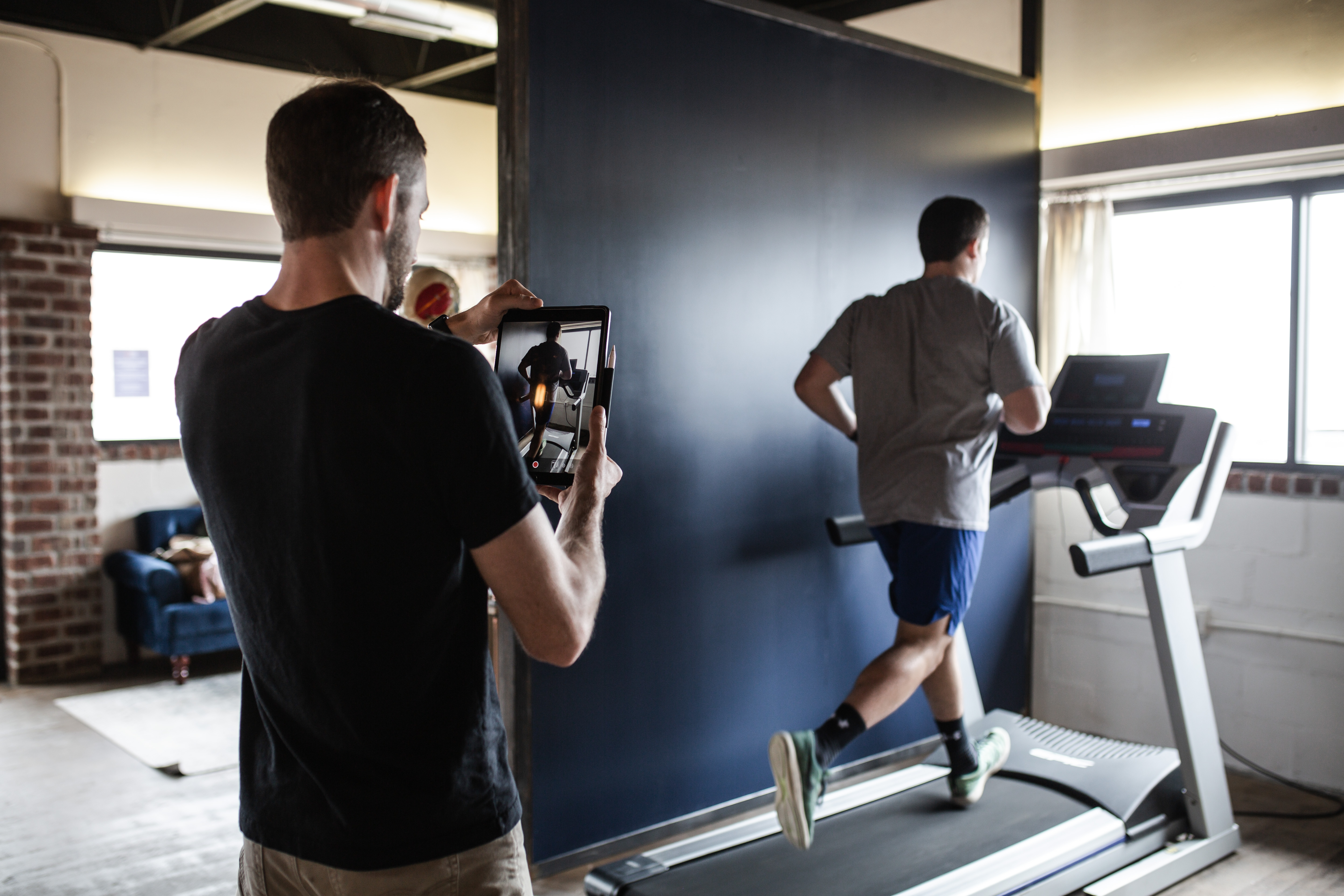
Pain is not the whole story.
Understanding what is driving it is where we start
If you are here, you are probably dealing with something that has been affecting more than just the part of your body that hurts. Pain changes how you train, how you work, how you sleep, and how much mental energy you spend just trying to manage it. And if you have already tried rest, adjustments, or a previous round of care that did not hold, you already know that surface-level treatment is not enough.
At 901PT, we work with active adults in Memphis who are ready for a different approach. One that starts with a thorough understanding of how your body actually moves, identifies what is really driving the problem, and builds a plan designed to resolve it rather than manage it indefinitely.
Whether you are a runner sidelined by a recurring injury, a lifter dealing with pain that shows up every time you train, a professional whose back has been quietly limiting you for months, or someone who simply wants to move through life without restriction, this is where we start.
One of the most common questions we hear is some version of this: why does my pain keep coming back even when it seems to get better? The answer is almost always the same. The symptom was addressed. The source was not.
Pain is a signal. It tells you that something in how your body is loading, moving, or recovering needs attention. When that signal is silenced with rest, anti-inflammatories, or passive treatment without addressing the underlying cause, the conditions that created the pain remain intact. The discomfort quiets down, you return to normal activity, and the same pattern recreates the same problem.
The most common reasons pain persists or cycles back:
Physical therapy works when it is built around finding those answers. At 901PT, every evaluation starts with a comprehensive movement assessment that looks at the whole body, not just the painful area, so we can identify what is actually driving your symptoms and build a plan around that.
Is physical therapy better than rest for most pain? In most cases, yes. The research is consistent: active, progressive rehabilitation outperforms rest for the vast majority of musculoskeletal conditions. The goal is not to push through pain. It is to move intelligently through it.
We treat a wide range of musculoskeletal conditions, movement-related pain, and injury presentations across all activity levels and age groups. Each section below includes a brief overview and links to a dedicated page with more detail on causes, symptoms, and treatment approach. If you are unsure where your pain fits, that is completely normal. A conversation with our team is always the right starting point.

Back pain is one of the most common reasons people seek physical therapy, and one of the most frequently undertreated. It can come on suddenly or develop quietly over months, and it has a way of affecting nearly every part of daily life. What most people are not told is that back pain, even long-standing back pain, is rarely a permanent condition. It is usually the result of how the body has been loading and compensating over time. We assess the full picture, including hip strength, core function, and movement patterns, to find what is actually driving the problem and build a progressive plan to resolve it.
→ Learn more about back pain treatment at 901PT
The shoulder is the most mobile joint in the body, and that mobility comes at the cost of inherent stability. Pain with pressing, lifting, reaching overhead, or lying on one side is incredibly common among active adults, and it is almost never just a shoulder problem. Rotator cuff function, scapular control, thoracic mobility, and how load is being shared across the joint all play a role. We help active adults and athletes restore full, pain-free shoulder function and build the strength to press, pull, and train overhead without hesitation.
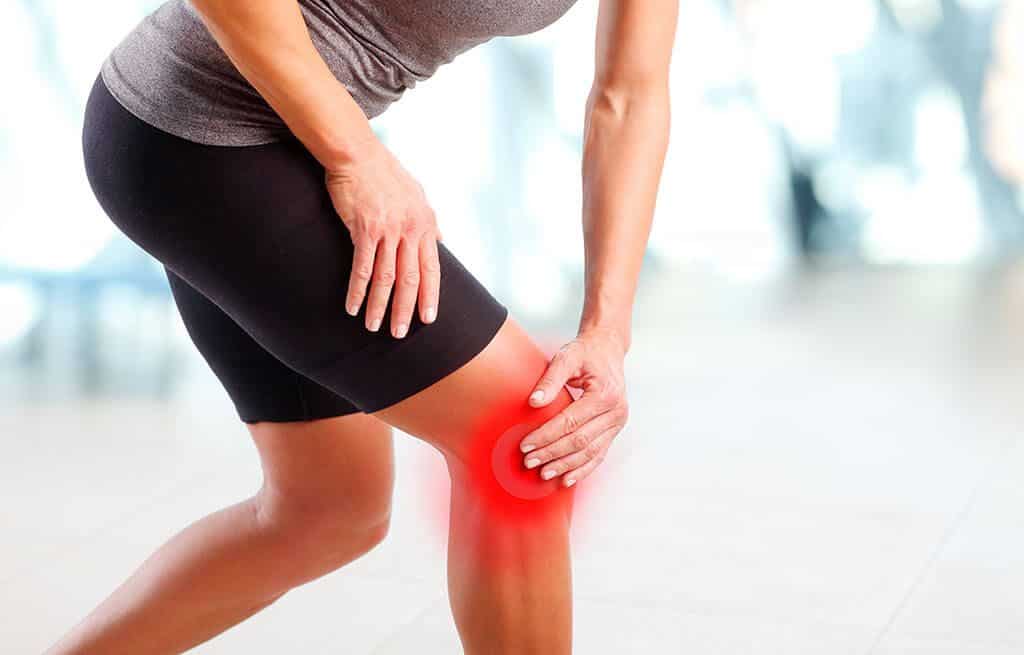
Knee pain is one of the most common reasons active adults modify or stop training, and one of the most misunderstood. The knee is often the site of pain but rarely the sole source of it. Hip weakness, ankle mobility limitations, and how load is distributed through the lower extremity during running or lifting all contribute to what eventually shows up in the joint. We assess the full kinetic chain, not just the knee itself, to understand why symptoms developed and build a plan that resolves them and keeps you training.

Hip pain presents in many forms, from deep joint aching and groin tightness to lateral hip pain and discomfort that radiates into the low back or thigh. It is common in runners, lifters, adults managing early degenerative changes, and anyone whose movement patterns have placed asymmetrical demand on one side over time. Because the hip sits at the intersection of the spine, pelvis, and lower extremity, dysfunction here can affect everything above and below it. We work to restore mobility, rebuild strength, and address the full movement picture driving the problem.
→ Learn more about hip pain treatment at 901PT
Few things disrupt activity more completely than foot and ankle pain, because it is present in every step. Plantar fasciitis, Achilles tendinopathy, ankle instability, and stress-related injuries are among the most common presentations we see in runners and active adults, and they are consistently undertreated with passive approaches that do not address the loading and strength factors behind them. We assess foot mechanics, calf and ankle strength, and training load to build a plan that resolves symptoms progressively and gives the foot and ankle the capacity to handle what you are asking of them.
→ Learn more about foot and ankle pain treatment at 901PT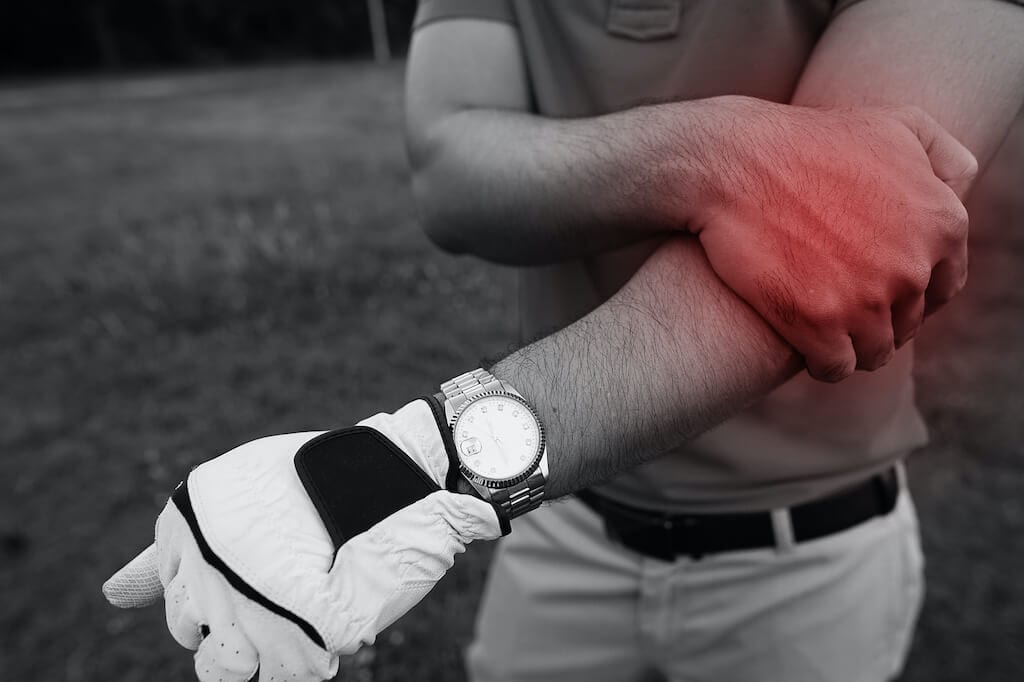
Elbow pain, whether it shows up on the lateral side during wrist extension or the medial side with gripping and pulling, is almost always a tissue capacity problem. The tendon or muscle is being asked to do more than it is currently conditioned to handle. This is common in lifters, tennis and pickleball players, golfers, and anyone performing repetitive arm-dominant work. The instinct to rest is understandable, but progressive loading under the right conditions is what actually drives tissue adaptation and resolution. We build plans that restore pain-free function and develop the capacity to train and compete without restriction.
→ Learn more about elbow pain treatment at 901PT
Running injuries are predictable in one sense: they almost always happen when the body is asked to absorb more load than it is currently prepared to handle, and they tend to recur when that gap is never addressed. If you have dealt with IT band syndrome, plantar fasciitis, stress injuries, or knee pain that shows up at a consistent point in your training cycle, the pattern is telling you something specific. We work with runners in Memphis to identify what the body is and is not prepared for, keep them running where possible, and build a return-to-training plan that is sustainable rather than cyclical.
→ Learn more about running injury treatment at 901PT
Balance does not simply decline with age. It declines when the systems that support it, including strength, proprioception, and vestibular function, are not being trained or have been disrupted. Dizziness, vertigo, unsteadiness, and fear of falling are not things people have to accept as normal. They are addressable with the right targeted approach. We work with patients experiencing vestibular dysfunction, post-concussion symptoms, and age-related balance deficits to restore confidence, stability, and independence in movement through progressive, evidence-based rehabilitation.
→ Learn more about balance and vestibular rehab at 901PT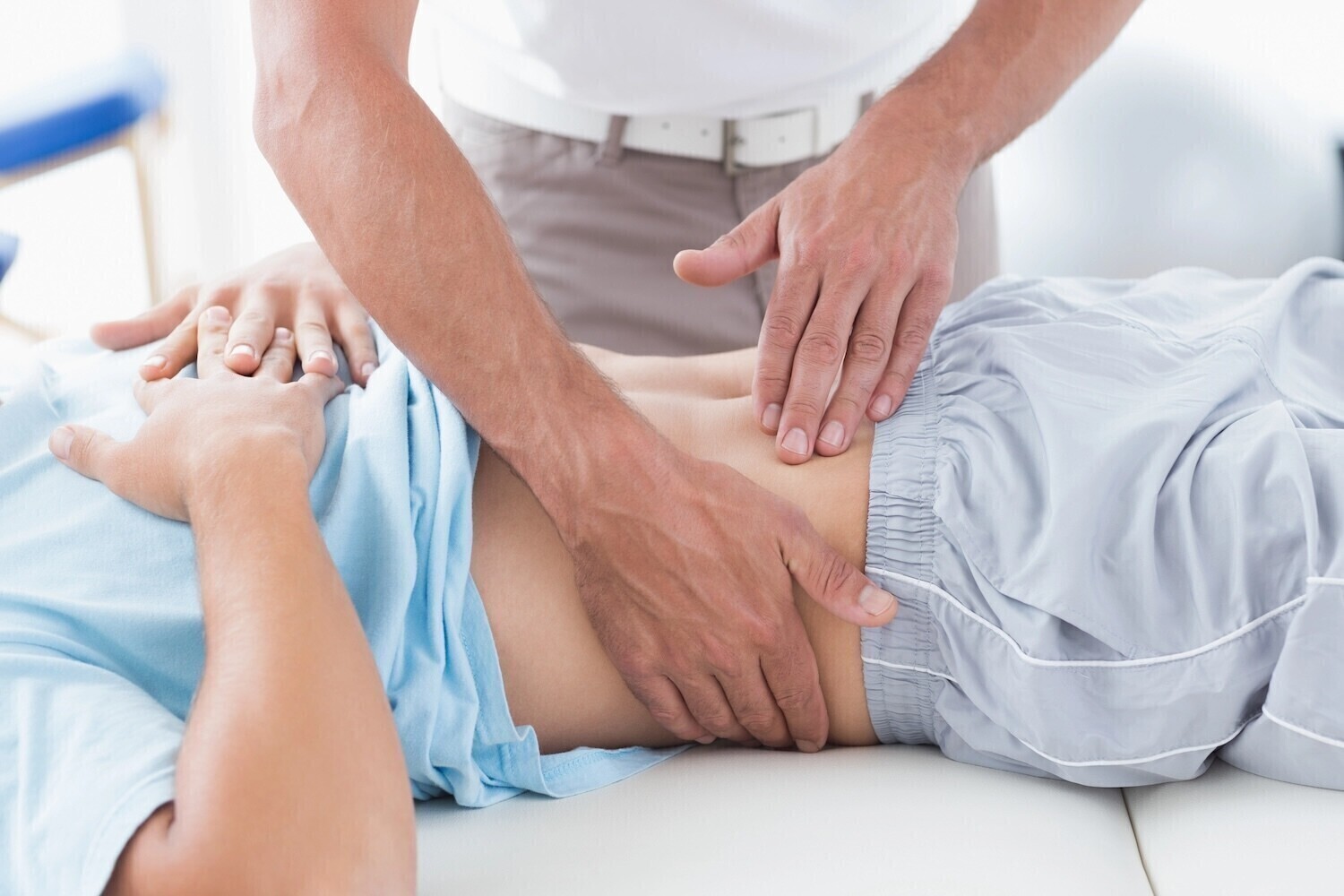
Pelvic floor dysfunction is far more common than most people realize, and far more treatable than most people are told. Symptoms including leakage with activity, pelvic pressure or heaviness, pain with exercise, and pelvic girdle pain during pregnancy or postpartum are frequently dismissed or normalized when they are actually very responsive to targeted physical therapy. Our approach is athlete-informed and performance-focused, designed for people who are active, have specific training goals, and want to address pelvic symptoms without being told to simply do less.
→ Learn more about pelvic floor physical therapy at 901PT.webp)
You do not need to arrive with a diagnosis or a clear understanding of what is wrong. Many of our patients come in with a general sense that something is off and a desire to understand it better. That is exactly what an evaluation is for. We will figure out the rest together.
→ Request an EvaluationIn addition to the pain areas above, we regularly work with patients managing specific diagnoses and injury presentations.
These include:
— Sciatica and radiating nerve pain into the leg
— Herniated and bulging discs
— SI joint dysfunction
— Rotator cuff injuries and tendinopathy
— IT band syndrome
— Patellofemoral pain syndrome and patellar tendinopathy
— Plantar fasciitis and Achilles tendinopathy
— ACL rehabilitation and return to sport
— Hamstring and hip flexor strains
— Stress fractures and bone stress injuries
— Degenerative disc disease and spinal stenosis
— Spondylolisthesis
— Labral tears of the hip and shoulder
— Post-concussion syndrome
— Vertigo and vestibular dysfunction
— Wrist and hand pain including carpal tunnel and tendon-related conditions
— Chronic pain with no clear structural cause
If your specific condition is not listed here, reach out. If it involves pain, movement, or injury, there is a strong likelihood we can help.
Our patients range widely in age, background, and activity level, but they tend to share something in common. They are not passive about their health. They want to understand what is happening in their body, they have specific things they want to get back to, and they are done with care that treats them like a number in a system.We work with runners who are stuck in the rest-and-return cycle and want to finally break it. With lifters who are managing pain that flares up every time they train and want a real solution rather than a modification list. With professionals in their 40s and 50s who have been quietly accommodating a limitation for too long and are ready to address it properly. With women navigating perimenopause andOur patients range widely in age, background, and activity level, but they tend to share something in common. They are not passive about their health. They want to understand what is happening in their body, they have specific things they want to get back to, and they are done with care that treats them like a number in a system.
We work with runners who are stuck in the rest-and-return cycle and want to finally break it. With lifters who are managing pain that flares up every time they train and want a real solution rather than a modification list. With professionals in their 40s and 50s who have been quietly accommodating a limitation for too long and are ready to address it properly. With women navigating perimenopause and menopause who want to keep strength training without pain getting in the way. With post-surgical patients who want to rebuild confidently and with clear direction.
What all of them have in common is this: they want care that actually meets them where they are. That is what we are built to provide.
How We Approach Treatment
Physical therapy means very different things at different clinics. At many practices, it means an aide running you through a circuit while your PT checks in for a few minutes. It means generic protocols and exercise handouts. It means feeling like you are moving through a system rather than actually being helped.
At 901PT, every session is one-on-one with a Doctor of Physical Therapy for a full hour. The same provider, every visit. Your history, your goals, and your movement are what shape the plan, not a standard protocol.
We Find the Source, Not Just the Symptom
A comprehensive movement assessment looks at how your full body is functioning, not just the painful area. Most pain has contributing factors that exist above or below the site of symptoms, and identifying those is what allows us to treat the problem rather than just quiet it down.
We Build Strength as the Foundation
Passive treatment has its place, but it does not create lasting change on its own. Strength is what gives the body the capacity to handle load, absorb force, and resist breakdown over time. It is central to every plan we build because it is what makes results durable.
We Keep You Moving
Rest is rarely the optimal answer for musculoskeletal pain. In most cases, the right kind of progressive movement is exactly what the tissue needs. We help you understand what is safe to continue, what needs to be modified, and how to progress so that staying active becomes part of your recovery rather than something you have to avoid.
We Educate as Part of the Process
You will leave every session understanding more than when you arrived. What is driving your symptoms, why the plan is designed the way it is, and how to make good decisions about your body between visits. That clarity is not a bonus feature. It is part of what makes the treatment work.
Frequently Asked Questions
Physical therapy is effective for a wide range of musculoskeletal and movement-related conditions including back and neck pain, shoulder, knee, hip, and foot injuries, running-related pain, post-surgical recovery, vestibular dysfunction, pelvic floor issues, and chronic pain of various origins. It also plays an important role in injury prevention and performance optimization for active adults and athletes. If you are dealing with pain, a movement limitation, or recovering from an injury or procedure, physical therapy is almost always a strong first option.
No. Tennessee is a direct access state, which means you can begin physical therapy without a physician referral. A diagnosis can provide useful context, but it is not required to get started. In many cases, a thorough movement evaluation gives us more actionable information than imaging does. We assess how your body is actually functioning and build the plan from there, regardless of whether you have a formal diagnosis in hand.
Yes, often more effectively than people expect. Long-standing pain is frequently the result of unresolved movement dysfunction, persistent strength deficits, or protective patterns the body developed around an old injury. These are all addressable with the right approach. Chronic does not mean permanent. Many of our patients who had managed pain for years, sometimes decades, experienced significant and lasting improvement through a focused, progressive plan. The key is understanding what is actually driving the pain rather than managing the symptom.
In many cases, yes. Surgery is sometimes the right answer, but it is required far less often than many people are led to believe. Conditions including herniated discs, rotator cuff tears, meniscus injuries, and arthritis-related pain frequently respond very well to conservative physical therapy care. We will give you an honest, thorough assessment of what is realistically achievable through rehabilitation and help you make an informed decision about your options before committing to anything more invasive.
For the vast majority of musculoskeletal conditions, yes. Rest reduces load on irritated tissue, which can reduce pain temporarily, but it does not address the strength deficits, movement compensations, or tissue capacity issues that allowed the injury to happen in the first place. When rest ends and normal activity resumes, those unresolved factors recreate the same conditions. Progressive rehabilitation builds the capacity the body needs to handle activity without breaking down, which is why it consistently outperforms rest as a long-term solution.
The most consistent feedback we hear from new patients is that our sessions feel fundamentally different from what they have experienced before. Every visit is one-on-one with a Doctor of Physical Therapy for a full sixty minutes. You see the same provider every time so nothing gets lost and your care keeps building. Your plan is built specifically around your body, your goals, and your life, not a standard protocol. And we prioritize your understanding of what is happening so you leave every visit with more clarity and confidence than when you walked in.
It depends on the nature of the condition, how long it has been present, and how your body responds to treatment. Many patients notice meaningful improvement within the first few sessions. More complex or long-standing conditions typically take longer to fully resolve. What we can tell you is that every plan is built to move forward, progress is tracked at each visit, and we will be transparent about what improvement should look like and when to expect it. You will never be in the dark about where things stand.
In most cases, yes, and staying active is often part of what helps. Complete rest tends to slow recovery for most musculoskeletal conditions. We will help you understand exactly what to continue, what to modify, and how to progress your training so that exercise supports your recovery rather than working against it. For most of our patients, the goal is never to stop training. It is to train smarter while the body builds the capacity it needs.
You do not need to have everything figured out before reaching out. You do not need a diagnosis, a referral, or a clear understanding of exactly what is wrong. Most people who contact us have a general sense that something is off, a few things they want to get back to, and a desire to stop guessing.
That is enough. We will handle the rest.
At 901PT, the first step is a conversation with someone who will actually listen, ask the right questions, and give you a clear picture of what is possible. Whatever is holding you back, there is almost always a path forward. Let us find it.