

Just like wrinkles and gray hair, changes in our joints and muscles are a normal part of aging. Imaging studies often show things like rotator cuff tears, degenerative changes, or joint wear even in people who have no pain at all.
But here is the problem. Many people are told that these findings mean they need surgery, stop lifting, or avoid using their shoulder entirely, without ever getting a full physical movement exam.
At 901PT in Memphis, we see this every day. Someone comes in feeling discouraged, scared, or frustrated because they were told they have a rotator cuff tear, but no one really explained what it means or whether it is actually the source of their pain.
Let’s take a closer look at what rotator cuff tears actually are and what you should do if you have been told you have one.

Your rotator cuff is a group of four muscles and tendons that help stabilize and move your shoulder. A tear refers to some level of damage to one or more of those tendons.
Types of rotator cuff tears include:
What many people do not realize is that these changes are very common, especially after age 40, and many people have partial or even full-thickness tears with no symptoms at all. Just because something shows up on a scan does not mean it is the reason you are in pain.
The presence of a rotator cuff tear does not automatically mean it is the source of your current pain.
Many people are surprised to learn that rotator cuff tears are actually very common, especially as we age or stay active. Studies show that over 50 percent of people over age 60 have some degree of rotator cuff tearing, and most of them do not have any pain at all.
In many cases, the tear may have occurred years ago without causing symptoms. It might be something that developed slowly over time due to repetitive activity or natural aging changes in the tendon, not from a specific injury. These types of degenerative tears are often found during imaging for unrelated issues.
So while your scan might show a tear, it does not always mean that the tear is new, worsening, or even contributing to your current discomfort. In fact, many people have rotator cuff tears that are completely asymptomatic.
That is why relying solely on imaging to make treatment decisions can be misleading. A rotator cuff tear seen on an MRI might be a normal part of your body’s history, especially if you have spent years playing sports, lifting, or doing physical work.
Pain in the shoulder is much more often the result of:
These factors are usually very treatable with the right guidance and are often missed when diagnosis is based on imaging alone.
Before you assume surgery is your only option, it is important to have a thorough movement-based evaluation to determine what is actually driving your pain. You may have had that tear for years, and it may not be the problem at all.
Too often, people are told things like:
And yet, they have never had a full physical assessment of how their shoulder actually moves.
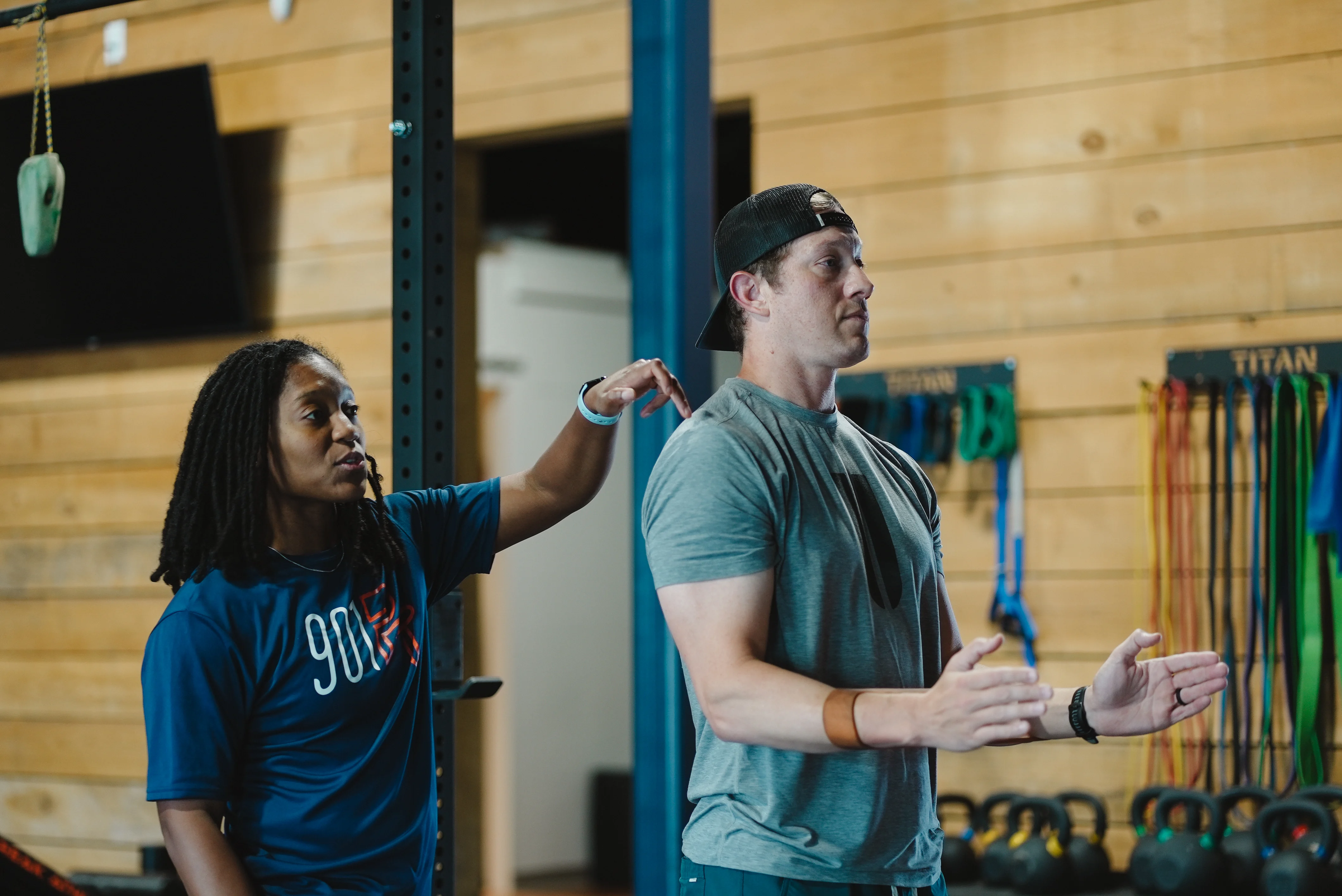
As physical therapists, our job is to look at the entire system. We examine mobility, strength, posture, control, and movement patterns. We want to understand how your shoulder is functioning during real activity, not just how it looks on a scan.
In many cases, physical therapy should be the first step, not surgery. Conservative care works because it focuses on fixing the root of the problem.
At 901PT, our treatment plans are built around:
We help people return to:
Not all physical therapy is the same. Many people who think PT did not work for them were given generic plans or had short appointments with limited one-on-one time.
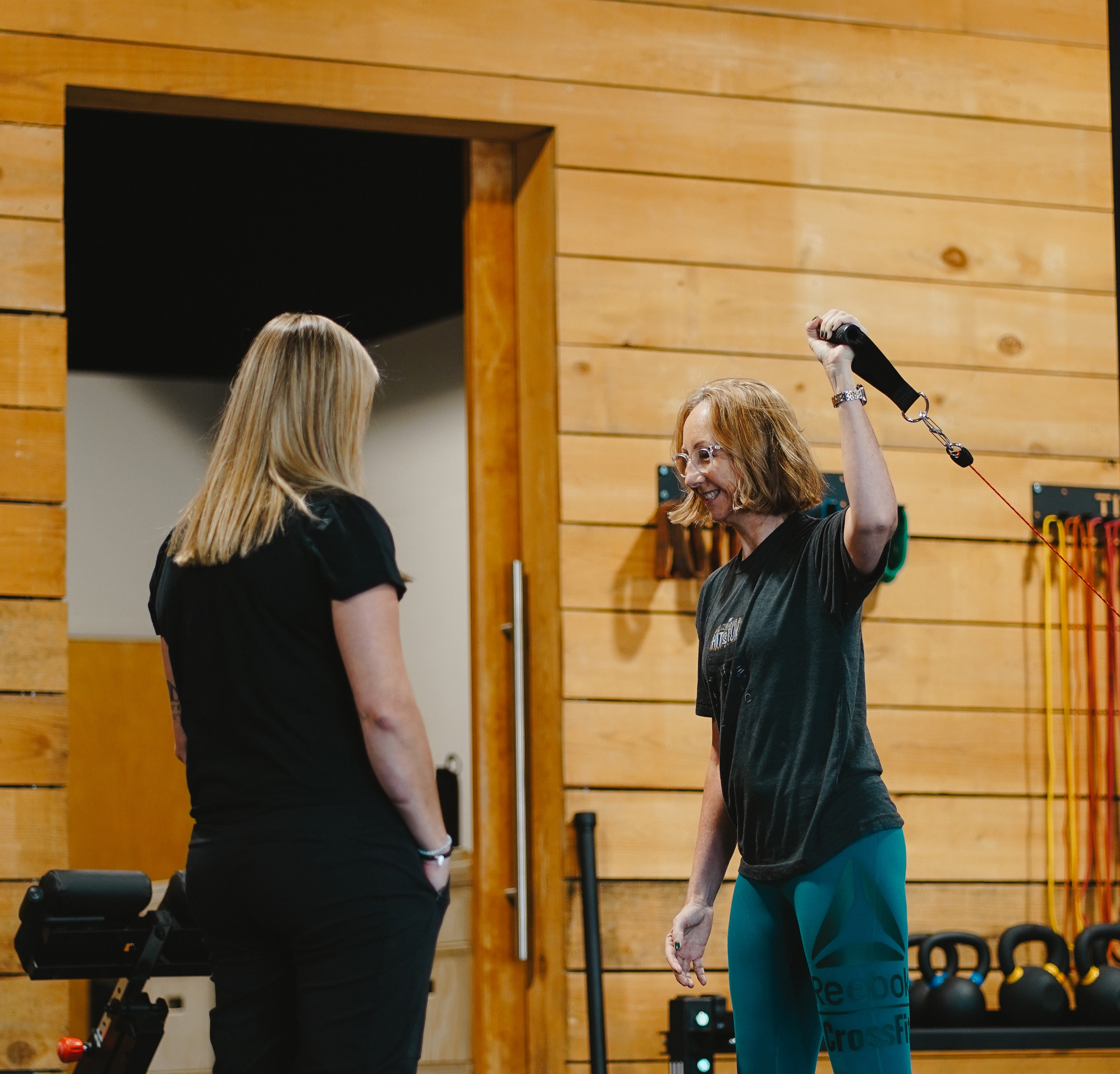
At 901PT, we do things differently. Every session is one-on-one with a licensed physical therapist. We spend a full hour focused on your goals, mechanics, and performance. We do not rely on passive treatments or hand you off to support staff. You get expert care from start to finish.
Even if you have tried PT before, we can offer a fresh and more effective approach.
Getting an MRI or X-ray can be helpful. But making major decisions based only on those images, without considering how you move and function, is a missed opportunity.
Too often people get stuck in a cycle of:
You deserve better. Your shoulder is resilient and your body can heal when given the right guidance and strategy.
At 901PT, our mission is to help you feel strong, confident, and in control of your body. We help you understand what is really causing your shoulder pain and guide you through a step-by-step plan to fix it.
If you are:
Start with a free 15-minute discovery call. Let’s talk about what you are dealing with and how we can help you get back to doing the things you love.
