

What we wish every injured person knew about healing, pain, and recovery
It is a phrase we repeat often in our Memphis physical therapy clinic because it reflects one of the most important things we teach our patients. This concept is not just a catchy line. It is the foundation for both recovering from injury and maintaining long-term strength, mobility, and pain-free movement.
Unfortunately, too many people delay their recovery by avoiding movement altogether. And by the time they come to see us, what could have been a short recovery has turned into months or even years of unnecessary pain.
One of the most common patterns we see is a situation where an injury does not fully heal and eventually becomes a chronic issue. This is frustrating for patients because the original injury may have been relatively minor.
Take a simple ankle sprain. It hurts, it swells, and it makes sense to rest for a bit. But if that ankle never fully regains its motion, and the person avoids using it normally, the body starts to compensate. The loss of movement becomes part of the system, and other areas like the knee, hip, or back start to pay the price.
This same story happens in the shoulder, neck, lower back, and virtually every other joint in the body.
What we know from years of clinical experience is this: the faster we reintroduce safe and strategic movement, the better the outcome.
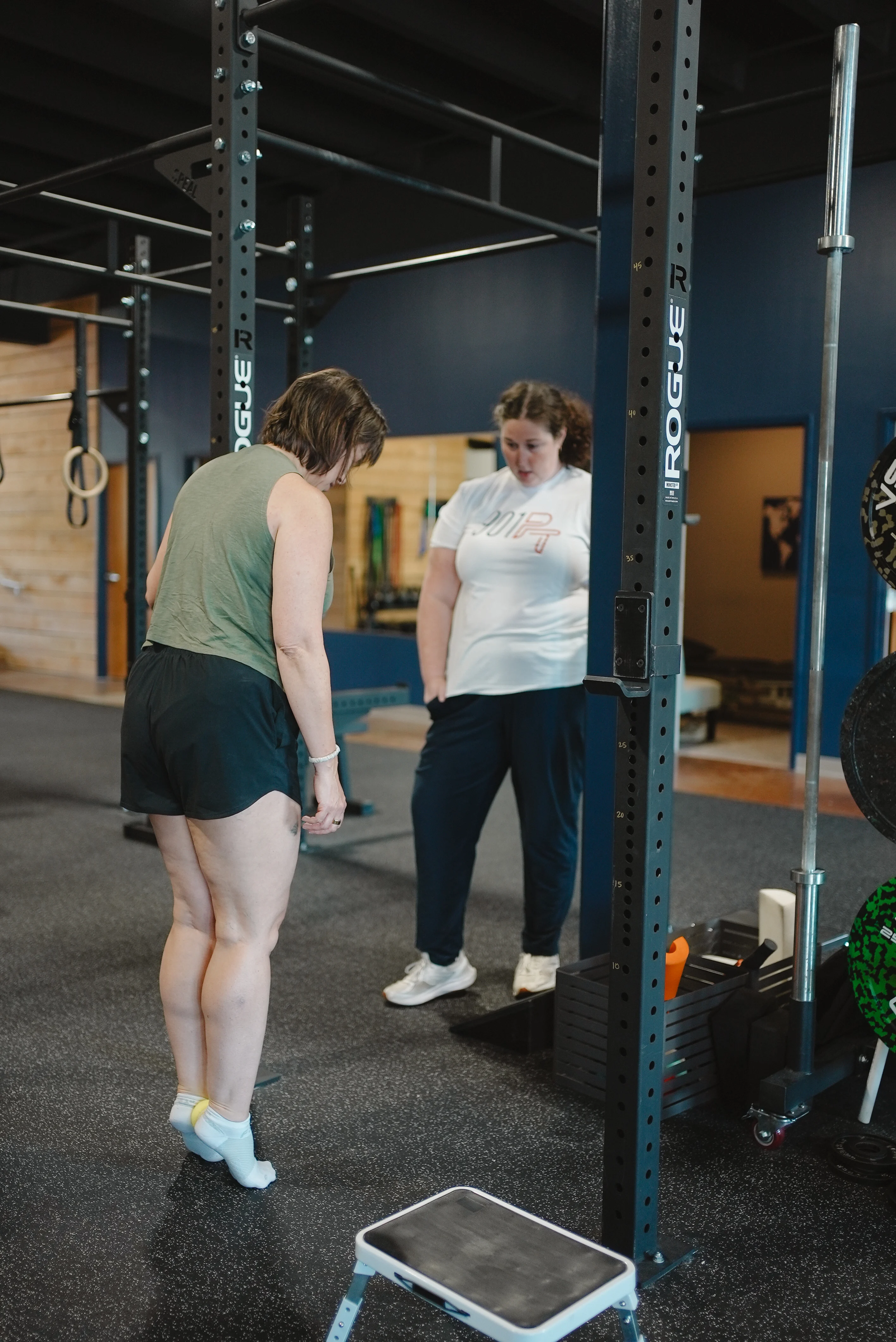
When people are in pain, they are often unsure about what they should or should not do. Fear of reinjury leads to avoidance. And this avoidance leads to stiffness, weakness, and sometimes worse pain.
We hear this all the time:
Fear-based advice often comes from outdated beliefs or a misunderstanding of what your body is capable of. While some protection and caution are appropriate during an acute injury, avoiding movement for too long will almost always slow healing and create more long-term problems.
Here are some of the most common reasons people get stuck in chronic pain patterns:
It is common to feel overwhelmed when you are told that you have a bulging disc, a pinched nerve, or a stress fracture. These sound like serious diagnoses. But many of them are far less concerning than they appear and can be treated conservatively with great results.
At 901PT, we help you understand what these terms really mean and what they do not mean. Most importantly, we help you get back to moving safely without fear.
While short-term rest can be helpful, complete rest is rarely the answer. Rest should never mean total inactivity. Your body needs movement to heal. A physical therapist can show you how to continue using your body in ways that support healing instead of interfering with it.
We often meet people who were told to avoid specific motions for the rest of their life. This might include bending forward, twisting, lifting overhead, or squatting. The problem is that these motions are a normal part of life and avoiding them makes your body less capable over time.
Avoidance does not protect you. It prevents strength and resilience. Our job is to help you regain confidence and move through all ranges of motion safely and efficiently.
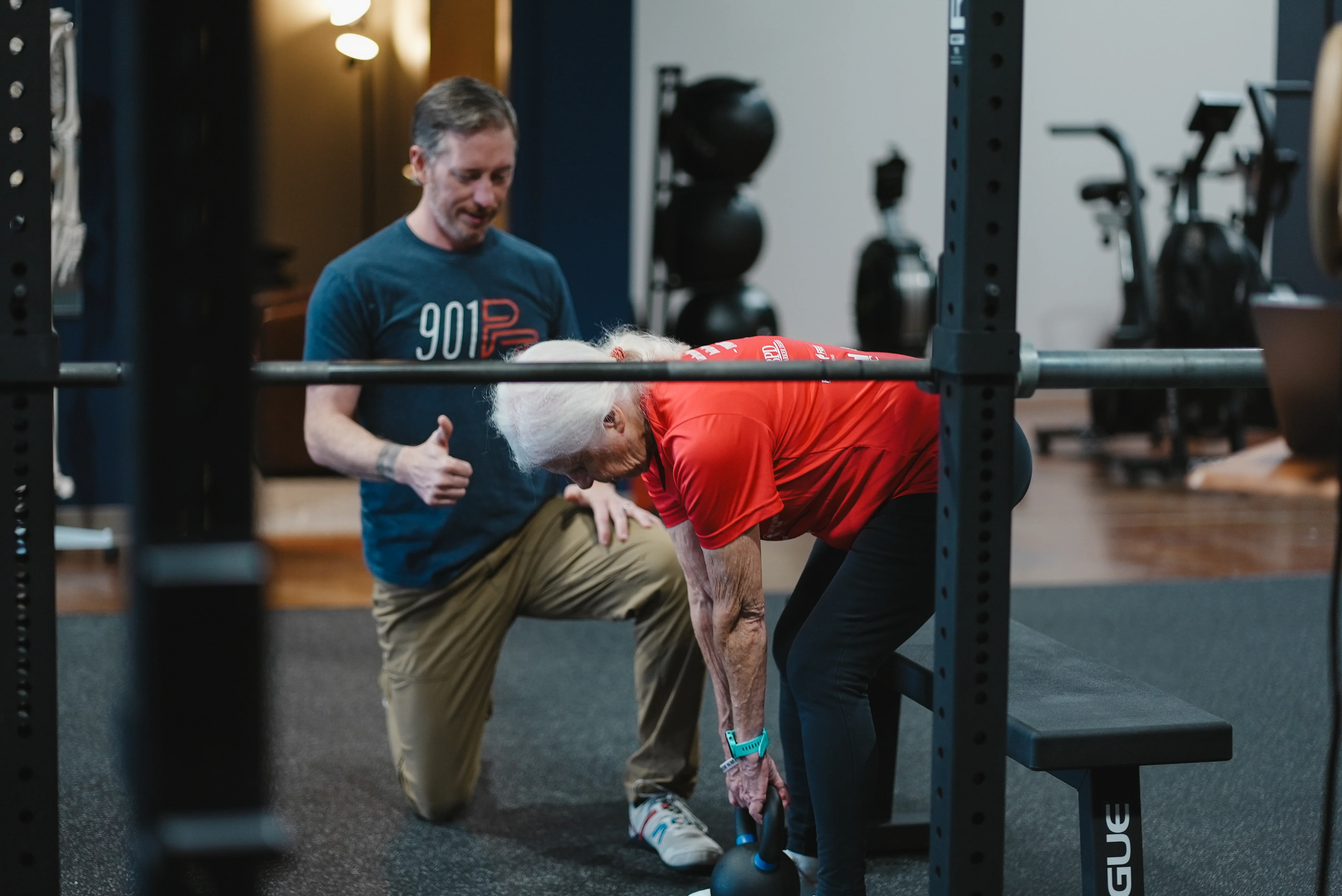
After an injury, there are very specific movements your body needs to recover fully. The body does not always return to full function on its own. You might regain 80 percent of your motion naturally. But if you do not intentionally work on it, that missing 20 percent can set the stage for future injuries or compensation patterns.
That missing range may not seem like a big deal until your hip pain turns into knee pain, or your shoulder stiffness becomes neck pain.
This is why we tell our patients that movement is medicine. Strategic, guided movement restores normal function and helps prevent long-term problems.
When we avoid movement or "play it safe" for too long, the body starts to adapt in the wrong direction. Muscles weaken. Joints stiffen. Pain becomes more easily triggered. And before you know it, a mild injury has turned into a persistent problem that interferes with your life.
There are specific types of movement that your body needs at each stage of healing. That is exactly what physical therapy is for. At 901PT, we guide you through every step of that process. We choose the right type of movement at the right time to support healing without flaring things up.
We see many people who have spent weeks or months trying to fix their injury by Googling symptoms or following random advice on YouTube. While the intention is good, the problem is that these movements are not tailored to your body, your injury, or your goals.
Doing the wrong type of movement can prolong your recovery. It can also make you lose confidence in your body when what you really needed was the right plan from the beginning.
Injuries happen, but that does not mean you are broken. Your body is adaptable. It is strong, resilient, and built to move.
If you have been dealing with pain longer than expected, or if your recovery feels stuck, we can help. Our team of movement experts will walk you through a plan that helps you recover fully, regain your mobility, and prevent long-term complications.
The first step is to let us know what is going on. We would love to hear your story and help you take the next step forward.
